For decades, natural lumber stood as the default choice for perimeter fencing across residential neighborhoods. Pine, cedar, and redwood provided a familiar organic warmth that defined backyard borders. However, evolving lifestyle expectations and shifts in contemporary architecture have pushed property owners to rethink their exterior boundaries. Today, property upgrades prioritize enduring performance, crisp architectural lines, and sustainable living, leaving conventional timber behind in favor of engineered alternatives.
Why traditional wood struggles in modern outdoor spaces?
Natural wood presents undeniable charm straight from the mill, but it begins degrading the moment it encounters the elements. Sunlight breaks down surface fibers, rain introduces moisture cycles that trigger swelling and warping, and subterranean pests constantly threaten structural stability. Over just a few seasons, an untreated or poorly maintained wooden enclosure develops unsightly cracks, loose fasteners, and uneven leaning lines that clash sharply with modern clean exterior aesthetics.
Furthermore, modern backyards often incorporate automatic sprinkler setups, outdoor kitchens, and pool features that elevate ambient moisture levels. Natural wood exposed to constant water exposure easily fosters black mold, mildew, and rot along ground contact lines. Maintaining structural stability under these everyday conditions requires aggressive chemical treatments and constant vigilant oversight, which runs counter to the relaxed environment homeowners want to cultivate outdoors.
The durability edge of composite fence panels
Engineered perimeter solutions address the vulnerabilities of organic timber by combining reclaimed wood fibers with recycled polymers. Investing in high quality composite fence panels creates a dense barrier that remains completely impervious to insect boring, splintering, and interior decay. Because moisture cannot penetrate the bonded composite matrix, the structure does not twist under seasonal humidity swings or buckle during harsh winter freezes.
Modern manufacturing techniques also incorporate advanced UV inhibitors directly into outer protective layers. While typical lumber turns an unappealing gray shade without frequent re-staining, composite boards preserve their core color and surface profile through intense summer sun. This resilience ensures that the clean boundary you install today maintains its original proportions and structural integrity decade after decade without sagging or bowing.
How composite fencing eliminates routine yard maintenance?
Owning a classic timber fence inevitably commits you to an exhausting cycle of outdoor chores. Every two to three years, boards demand power washing, sanding, patching, and multiple coats of toxic sealers or heavy oil stains. For many homeowners, this translates into sacrificed weekends and ongoing expenses for brushes, stains, and rented equipment. Neglecting these chores quickly leads to irreversible decay that leaves total replacement as the only remaining remedy.
Engineered alternatives completely discard this labor intensive routine. Composite barriers never require sanding, priming, repainting, or waterproofing agents to keep moisture out. Basic upkeep involves nothing more than spraying the surface with a common garden hose or wiping down dusty sections with mild soapy water once or twice a year. This significant reduction in physical chores allows families to spend their leisure time enjoying their outdoor living space rather than continually repairing it.
Aesthetic versatility for contemporary landscape styles
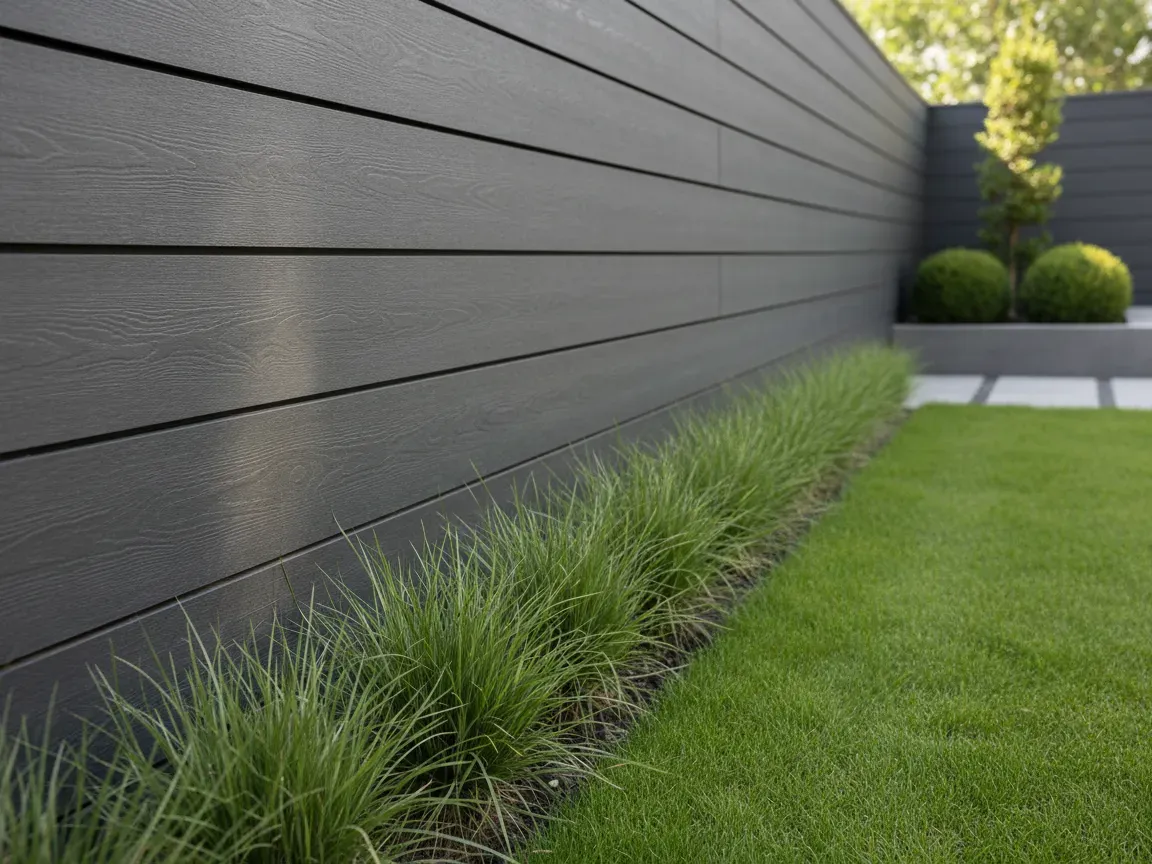
Today’s landscape design relies heavily on geometric harmony, functional zones, and cohesive palettes that connect indoor architecture with open air spaces. Composite boards are uniquely suited for these trends because they offer uniform dimensions and consistent finishes that natural lumber rarely matches. Available in diverse textures ranging from subtle brushed patterns to deep embossed faux grain, these panels complement steel pergolas, smooth concrete pavers, and manicured green lawns effortlessly.
Color flexibility is another key driver behind the switch. Contemporary layouts often feature charcoal, slate gray, rich walnut, and warm espresso tones that provide dramatic backdrops for vibrant ornamental grasses and flowering shrubbery. Because composite fencing systems often integrate with sleek aluminum posts and horizontal mounting channels, designers can craft clean horizontal lines that make compact suburban yards appear significantly wider and more expansive.
Long term cost comparison between wood and engineered materials
When evaluating upfront project budgets, natural pressure-treated lumber frequently appears to be the more economical route. However, focusing solely on initial installation costs overlooks the relentless compounding expenses of long-term ownership. The recurring purchases of protective stains, mold treatments, replacement posts, and professional painting labor accumulate rapidly over a ten-year window, often surpassing the initial installation invoice.
Composite materials shift these expenses forward into a single initial investment that stabilizes future spending. With structural lifespans easily exceeding twenty-five to thirty years and negligible maintenance overhead, engineered fencing proves far more cost-effective per year of service. Homeowners avoid premature board failure, emergency storm repairs, and complete rebuilds, transforming the boundary fence from a recurring maintenance liability into a durable capital asset.
How to choose the right style for your property value?
Selecting the optimal fencing configuration involves balancing desired privacy levels, neighborhood character, and the architectural language of your residence. Full privacy tongue-and-groove boards are ideal for masking neighboring properties and establishing serene sanctuary spaces around patios or hot tubs. Alternatively, open slat layouts or panels that incorporate decorative metal top screens allow light to filter through while maintaining defined physical boundaries.
Evaluating color coordination with your home exterior is equally vital for maximizing curb appeal. Pairing cool gray panels with modern white siding creates sharp visual contrast, while deeper earth tones naturally integrate with brick or stone masonry. Investing in architectural grade materials elevates neighborhood prestige and reassures future buyers that the perimeter requires zero immediate rehabilitation, delivering tangible dividends when evaluating overall property valuation.
What this outdoor transition means for your next renovation?
The decisive migration from natural wood to engineered perimeter enclosures represents a fundamental change in how homeowners approach their living spaces. Contemporary yards are no longer treated as separate maintenance burdens, but rather as functional outdoor extensions of the interior living room where comfort and visual appeal matter equally. Demanding materials that balance resilient engineering with low physical upkeep is simply practical management.
Choosing engineered fencing frees you from relentless maintenance cycles while securing a clean, elegant border that stands strong against all weather. As neighborhood architectural trends continue favoring polished, low-maintenance sanctuaries, choosing composite boundary structures ensures your outdoor landscape remains effortless, valuable, and structurally sound for decades ahead.

Author: Hannah Bloom
Hannah believes a beautiful home extends into the garden. She provides creative DIY project ideas, seasonal gardening advice, and simple tips to help readers create a stylish and serene living space, both indoors and out.