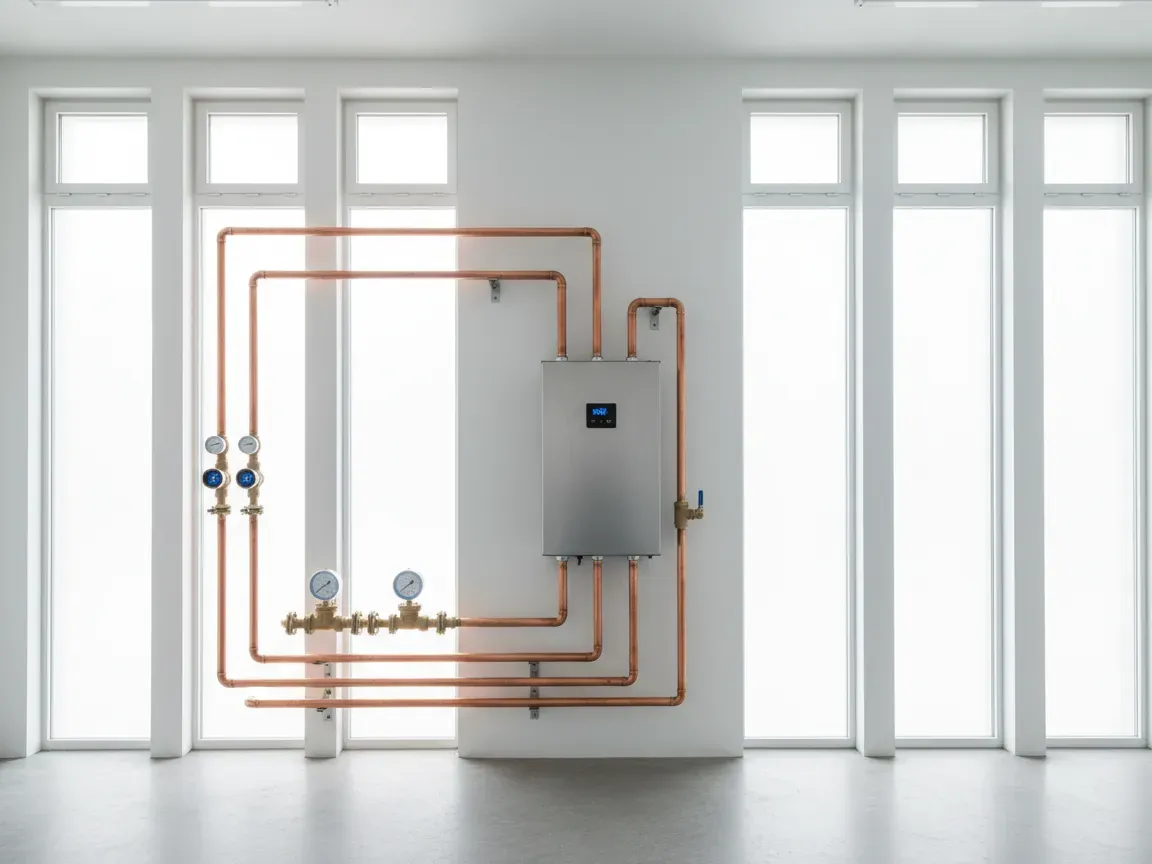
Modern urban planning increasingly prioritizes mixed-use developments that blend ground-floor retail shops, bustling cafes, and private residential apartments into a cohesive community. These multi-occupancy structures require mechanical infrastructure capable of delivering consistent comfort while adapting to distinct daily load patterns. Traditional fuel-burning furnaces struggle to balance these contrasting operational demands without complex venting runs and costly safety protocols. Switching to an advanced electric heating setup solves these architectural and operational puzzles by providing targeted, high-output thermal management from a remarkably flexible footprint.
Why modern mixed-use properties require versatile heating solutions?
Designing infrastructure for a property that houses both commercial enterprises and private homes poses unique engineering challenges. A boutique fitness center or busy restaurant on the street level consumes hot water and space heating at drastically different intervals than residents cooking dinner or running evening baths upstairs. Centralized hydronic plants must modulate heating outputs rapidly across twenty-four hours to maintain comfort without wasting utility budgets on idle baseloads.
Traditional centralized infrastructure often leads to localized overheating or chronic pressure drops when morning peaks collide. High-capacity electric boilers manage dynamic load shifting smoothly through digital modulation stages that track demand spikes with pinpoint accuracy. Instead of burning excess fuel just to keep a massive boiler core hot, electric units activate precise heating element banks on demand, keeping operational costs proportional to real-time utility usage across both commercial and residential zones.
Eliminating combustion hazards and complex exhaust venting
Gas systems carry inherent combustion risks that complicate life-safety planning in densely inhabited buildings. Gas leaks, carbon monoxide accumulation, and venting backdrafts represent persistent safety concerns that require extensive monitoring networks, automated gas shut-off valves, and strict annual fire inspections. Installing gas infrastructure also demands dedicated flue chases that must penetrate every floor to vent exhaust products safely through the roofline.
Electric water heating completely bypasses on-site combustion. By operating without open flames or hazardous byproducts, developers can strike expensive exhaust flues, exterior wall penetrations, and complex makeup air louvers from their architectural plans. Building designers gain valuable mechanical freedom, and insurance underwriters frequently offer reduced liability premiums for buildings free from pressurized gas mains running alongside multi-family residences.
Space optimization and lower acoustic disruption for tenants
Floor area represents prime real estate in high-density urban environments. Gas plants require sprawling utility basements with vast clearances for air intake, burner clearance, and pipe manifolds. Conversely, modern electric heating plants pack substantial kilowatt capacities into compact, wall-mounted or skid-mounted configurations. Specifying a reliable unit such as https://culmstoreseltermltd.co.uk/en_GB/c/Commercial-Electric-Boilers/85 frees up square footage in mechanical rooms, enabling developers to convert reclaimed space into secure tenant storage, package drop hubs, or expanded parking stalls.
Beyond spatial savings, electric units protect the ambient living conditions of nearby apartments. Traditional power burners, atmospheric draft fans, and large gas valves produce mechanical hums and structural vibration that can easily transmit through concrete slabs into lower-level condos. Electric heating elements run near-silently, creating zero low-frequency rumble. This acoustic quiet ensures that units situated immediately adjacent to mechanical closets remain fully peaceful and leasable at premium market rates.
Long-term maintenance savings compared to traditional gas units
Preventative maintenance for gas heating systems eats heavily into quarterly property management budgets. Gas burners demand frequent flue gas analysis, burner nozzle cleanings, heat exchanger descaling, draft blower replacements, and pilot assembly repairs to sustain baseline operating efficiency. As combustion deposits build up, fuel efficiency steadily declines, compounding heating expenses over time.
Electric boilers feature minimal moving parts, eliminating the mechanical wear cycles typical of combustion chambers. Without soot, acid condensates, or flame impingement eroding heat exchangers, internal components retain their factory efficiency ratings across decades of continuous service. Facilities teams only need to conduct basic electrical checks, monitor scale buildup on immersion elements, and service standard circulation pumps. These streamlined service intervals translate directly into lower labor charges, fewer emergency weekend callouts, and steady, predictable operational reserve budgets.
Maximizing efficiency through integration with smart controls and solar grids
Commercial property managers increasingly face stringent municipal carbon reduction mandates and tightening building performance standards. Achieving these environmental benchmarks demands seamless coordination between building automation systems and onsite clean energy infrastructure. Electric heating plants boast instantaneous response curves, making them exceptional partners for smart building control systems that adjust indoor temperatures based on real-time occupancy data, weather forecasts, and dynamic time-of-use utility rates.
Furthermore, electric hydronic units pair effortlessly with rooftop photovoltaic arrays, battery energy storage systems, and local microgrids. During sunny midday windows when solar generation outstrips electrical demand, surplus clean power can run high-density immersion heaters to build thermal energy storage banks in well-insulated buffer tanks. This stored heat can then warm tenant spaces through the chilly evening hours, allowing property managers to dodge peak grid pricing while slashing total carbon output.
How will electric heating technology shape urban property design?
The ongoing push toward building electrification is transforming how modern urban developments allocate internal resources. Moving away from combustible fuels empowers architects to rethink interior spaces from the ground up, freeing core building volumes previously consumed by ventilation shafts and massive mechanical vaults. As cities enforce stricter emission rules and push for net-zero construction, selecting clean, scalable heating equipment positions mixed-use properties at the forefront of modern engineering standards.
The path forward for high-performance multi-family assets
Transitioning to commercial electric heating establishes a dependable foundation for building durability, resident comfort, and steady commercial revenue. Facility operators eliminate combustion risks while freeing up valuable square footage that directly elevates tenant satisfaction and tenant retention. By cutting routine mechanical maintenance and bypassing complicated exhaust runs, property teams gain reliable operational control year-round.
Choosing electric hydronic infrastructure safeguards capital investments against shifting carbon regulations and volatile fossil fuel tariffs. As regional electrical grids incorporate more renewable power, electric buildings naturally become cleaner and cheaper to run every day. Modern mixed-use assets that adopt electric thermal systems today ensure long-term resilience, healthy indoor living environments, and lasting value for property owners and residents alike.

Author: Hannah Bloom
Hannah believes a beautiful home extends into the garden. She provides creative DIY project ideas, seasonal gardening advice, and simple tips to help readers create a stylish and serene living space, both indoors and out.